It's a trap!
The "we have to meet audiences where they are" trap...
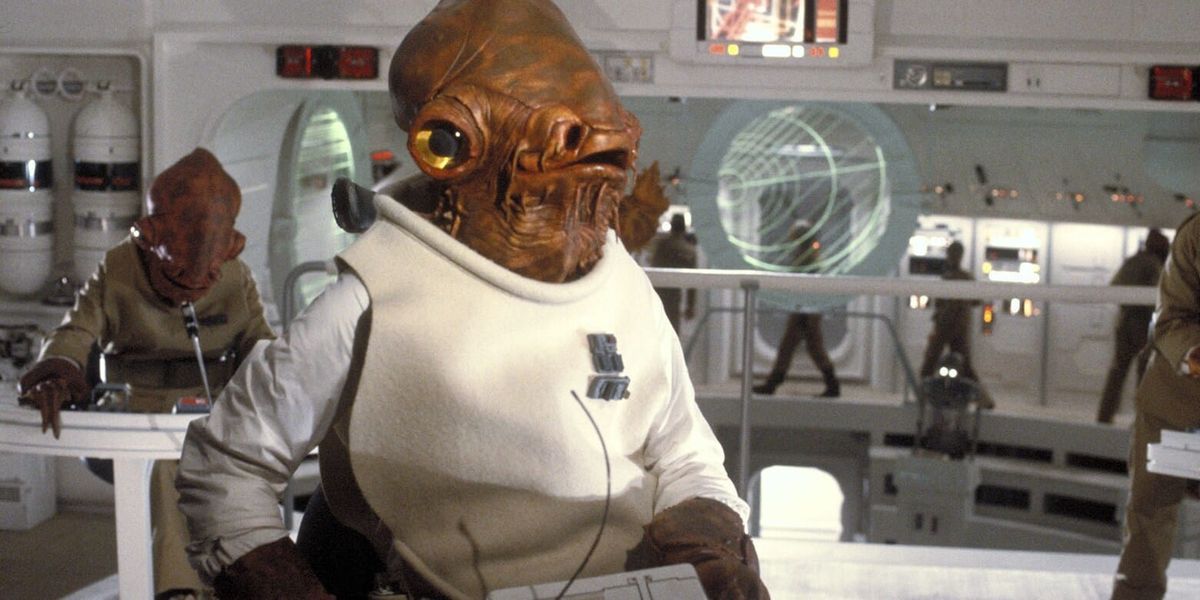
I went to write a little thought on LinkedIn and it snowballed into something larger (as things sometimes do), so I thought I'd share it here on Built by Story. It's my prediction that this realisation is going to become important for anyone in film and television. Here it is:
After a little doomscrolling this morning, I found myself thinking about how much media strategy over the last decade effectively boiled down to competing with social media. “We have to meet audiences where they are” led to trying to push what we do onto the attention machines.
This was a trap.
Because TikTok, Instagram, Snapchat, social feeds, shorts, autoplay platforms and algorithmic content systems (including YouTube, folks) aren’t entertainment companies in any traditional sense. They are behavioural optimisation engines. They are designed around infinite supply, constant refresh, frictionless consumption with rapid data-based iteration, low commitment and a search for a dopamine hit that, honestly, shares more with gambling.
Our stories, our films and television shows, are built on entirely different, and often opposing, foundations: patience, attention, emotional investment over time, immersion, reflection and memory.
A mistake was believing that, if audiences spend time there, we must become more like there. An industry got sucked into what they called “the attention economy” and, in doing so, confused engagement with value.
Because where those audiences are is not necessarily where they are happiest. Or where they are emotionally fulfilled. Or where any kind of meaningful culture is formed. And for me, I think sometimes people are somewhere just because the system is addictive.
And those companies are scarily good at that system, something I know from having to rip myself away from my phone at breakfast.
We won’t out-TikTok TikTok with a beautifully crafted, every moment from the heart movie or television show. You can’t out-algorithm the algorithm companies. In attempting to do so, you erode the strengths of what we do best (and often, in a topic I also think about a lot, train audiences the worst ways to watch movies).
For me, looking forward to what’s next, building a better future for both the industry and our audiences, I believe we need to embrace our place as intentional experiences. To exist alongside books, live events, theatre, as relief from fragmentation, or to be places of emotional depth and collective moments.
We can be an alternative to the infinite feed. And as that feed grows even larger, overwhelming and all-consuming, I think that alternative is going to become really important.
Just one extra little Built by Story thought: over the next few years, you're going to hear the same film and television advice that people have been saying for the last decade, spoken as fact. But look around. This is where it got us. So I think it's crucial we all stop, thinking about what we're hearing (or saying), and ask ourselves if this is something the industry has already been chasing. Because if it is, it doesn't work. We need new thinking, with a little sprinkle of thinking from the times when things did actually work.