When the model doesn't fit the medium
So recently I saw someone express surprise that the streaming model didn't generate the revenue expected. Let's dig into that a bit...

A video popped up on Instagram (from Adam Leipzig, if you're curious) about how our industry got to where it is now, and one point stopped me: the streaming model didn’t quite generate the revenue expected.
Now, I’m no genius but when everyone was competing for a slice of Netflix’s losses, at a time when most of the content on that platform had been funded by the very models it was trying to replace, I’m not sure why anyone expected this to generate more revenue.
It felt flawed from the start.
But even seeing the flaws, I guess this outcome was almost inevitable. At least in the way a lot of businesses approach things right now, in tech and other sectors. Those business executives aren’t rewarded for being right in the long term. They’re rewarded for quick growth, market share, and stock price. Being the asshole in the room who says “this doesn’t work” while competitors are scaling aggressively just risks leaving them behind.
So they join the race. Even if the race itself doesn’t make a whole lot of sense.
And to be fair, this model has worked elsewhere.
Worked for Amazon, Uber and so on. But not here. Not in film and television.
Because that model depends on a few key things:
Scale driving costs down
Products being repeatable
Demand becoming predictable
One or two players consolidating the market
None of these things apply to storytelling.
When others chased Netflix, instead of consolidation we got fragmentation. Fragmented audiences, platforms and value. Everyone ended up with less. And when platforms had to replace those older funding models with new premium content? Costs didn't fall. They went up. What looked like a gold rush from the production side was really just an unsustainable burn rate.
And the hardest truth of all? The one that has always been true and always will be true:
It’s not reliably repeatable.
There is no formula for stories, for film, for television. What works once often doesn’t work again. Audiences don’t want the same thing. They want something new. The biggest successes are so often the surprises. They're unpredictable.
Every film, every show, is essentially R&D for itself. And not all risks will pay off.
And data, while useful, can’t tell you what the next new thing is. It just can't. And it doesn't. Never has. Maybe never will. Because the data for that new thing doesn’t exist yet.
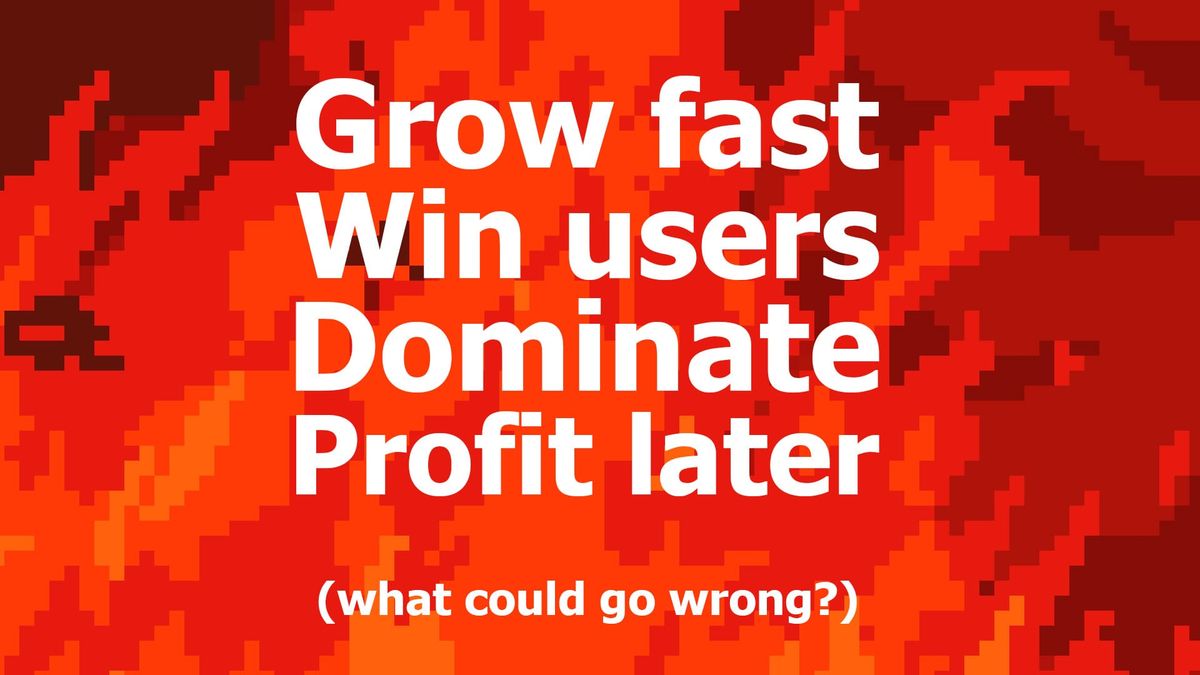
The burn money, dominate, profit later model may work in some industries. But it does not work in this one.
So here we are.
What now?
I think we need to accept that entertainment is not just a business to be optimised. We need to drop any techbro approach, it's not right for this. The solutions won't magically appear through the same mentality that got us here. Instead, we need to get back to fundamentals. Entertainment, movies, television are, as idealistic as this may sound, an artistic, creative endeavour to be explored. That doesn’t mean abandoning business, of course. But it does mean adjusting the target: sustainability. Sustainability of the art, the discovery, the craft, the fun, the joy, the emotion. And with it, even more collaboration.
Because the reality now is simple:
Those of us who are still here, from crew to creatives to execs, we’re all in this together. We're colleagues, peers and friends. So meet. Share insights. Share resources. Partner up. As someone said to me on a call yesterday, let's "stack the deck".
Keep telling stories together.